
Damping is a curve, not a number
A damper does not have "a" damping force. It has a force curve plotted against shaft speed, and the shape of that curve is what you actually feel from the driver's seat.
Two very different events produce very different shaft speeds:
| Input | Shaft speed | What the driver wants |
|---|---|---|
| Body roll entering a corner | Low | Firm control, no float |
| Expansion joint at speed | High | Compliance — absorb it |
A damper tuned only for one of these ruins the other. Tune it firm enough to control body motion and it hammers over sharp bumps. Tune it soft enough to be comfortable and the car wallows.
The knee point
NDP valving is built around a deliberate transition — a knee in the force curve.
- Low shaft speed — damping force builds quickly to control body roll, pitch, and dive while maintaining precise chassis response. This is the region where the damper has the greatest influence on vehicle body control.
- The knee point — the deliberate transition. Where the knee sits, and how sharp it is, is the heart of the tune.
- Beyond the knee point — the damping curve becomes digressive. Force continues to increase with shaft speed, but at a progressively lower rate, allowing the wheel to absorb sharp impacts without excessive harshness.
That third stage does double duty. It protects ride quality over sharp-edged inputs, and it protects the damper itself — force climbs more slowly than a linear curve would allow, so peak loads through the valve stack stay lower, which extends service life.
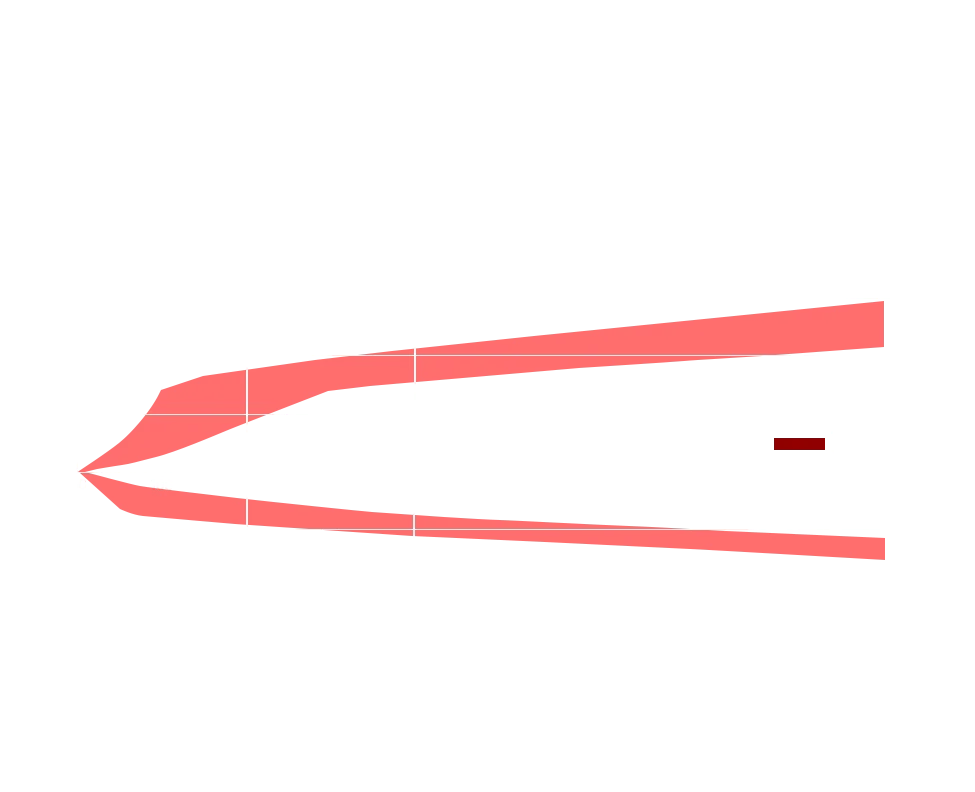
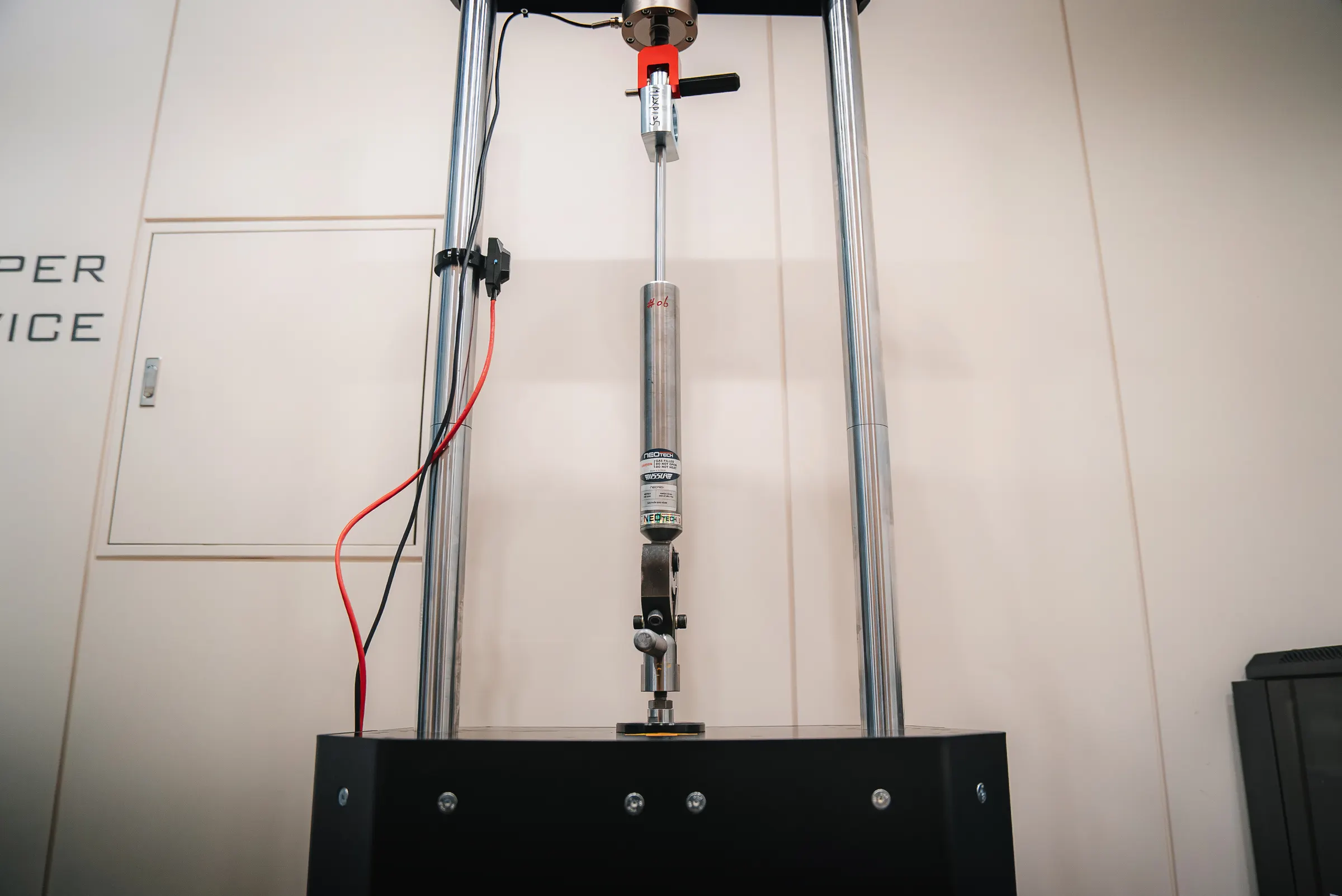
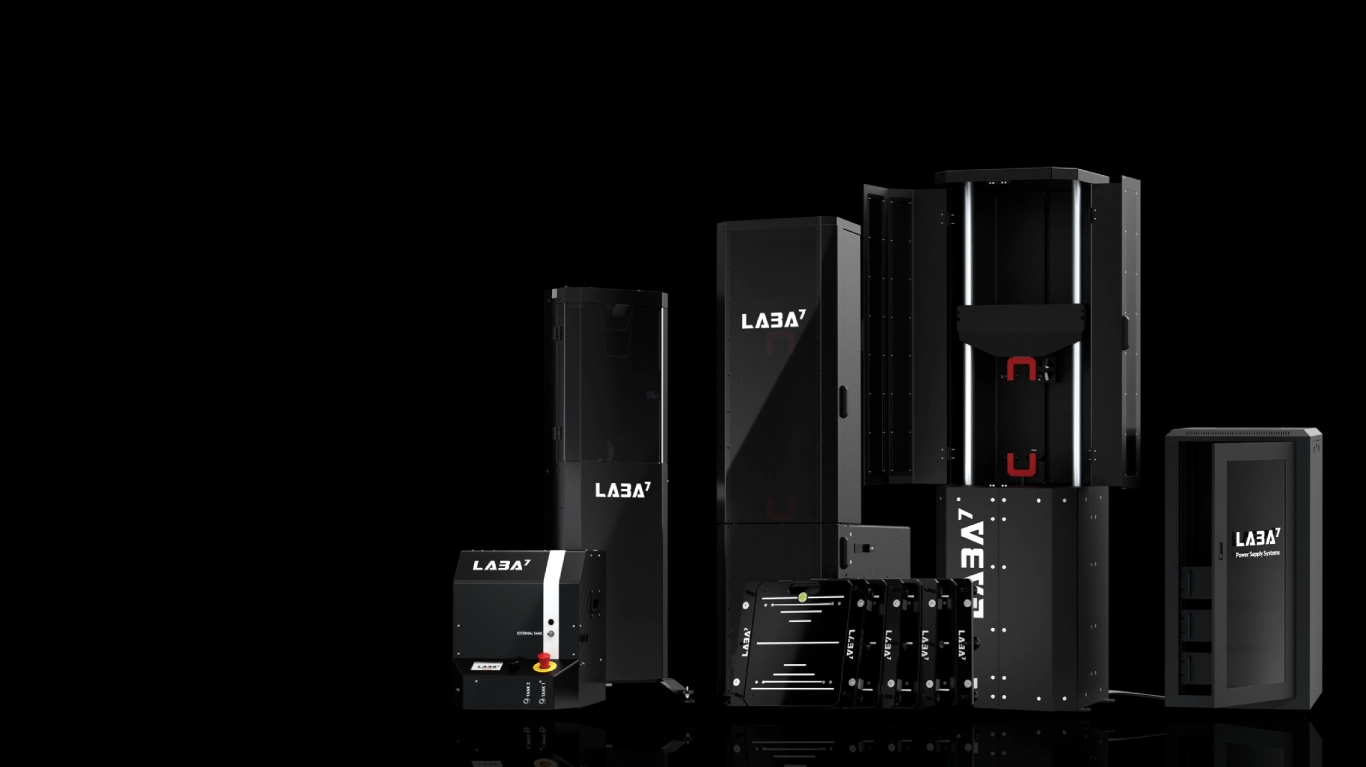
Those curves are measured on the electromagnetic damper dynamometer in Gimcheon, then checked against a lineup of conventional shock dynos in the same lab.
What it feels like
Sharp body control without a punishing ride. The car stays flat and predictable when you lean on it, then goes quiet again over broken pavement. Balanced feedback at the limit rather than a single compromise setting.